


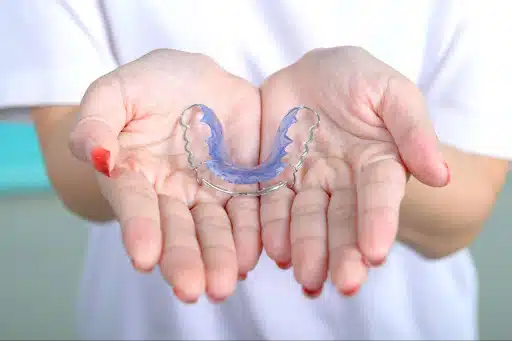
Losing or damaging a retainer is far more common than most people realize. Retainers are small, easy to misplace, and often removed during meals, sports, or travel. A lost retainer can feel like a minor inconvenience at first, especially if your teeth still look straight. The reality, though, is that even short gaps in retainer wear can allow teeth to begin shifting. The good news is that acting quickly usually prevents long-term problems and protects the orthodontic results you worked hard to achieve.
This guide explains why retainers matter, what happens when one is lost or damaged, and the practical steps you should take right away. Whether you’re a teen, an adult, or a parent helping a child through orthodontic care, understanding the importance of timely replacement can save time, frustration, and unnecessary retreatment later.
Why Retainers Matter After Orthodontic Treatment
Orthodontic treatment doesn’t end the day braces come off or aligners are finished. Retainers play a critical role in holding teeth in their corrected positions while the surrounding bone and soft tissues stabilize.
Teeth are supported by ligaments and bones that naturally want to return to their original alignment. This tendency, known as relapse, can continue for years after treatment. Retainers counteract that movement by gently maintaining alignment while your body adapts to the new tooth positions.
For many patients, retainer wear becomes a long-term habit. Even after the initial full-time wear period ends, nighttime use is often recommended indefinitely. Skipping wear, even briefly, can allow subtle movement that may not be obvious right away but becomes noticeable over time.
What Happens If You Lose a Retainer
The effects of losing a retainer vary depending on how long it’s been since treatment and how quickly action is taken. In the short term, many patients don’t notice changes right away. That’s where the risk lies.
Within days or weeks, teeth can begin to drift. Minor shifting may feel like tightness when a retainer is reinserted or slight changes in bite contact. Over longer periods, teeth can visibly move out of alignment, potentially undoing part of your orthodontic progress.
If you’re wondering what to do if you lose your retainer, the most important step is to contact your orthodontic office as soon as possible. Waiting “to see what happens” often makes replacement more complicated. Early intervention typically means a simpler, faster solution.
Broken Retainer vs. Lost Retainer — What’s the Difference?
A retainer that’s missing entirely and one that’s damaged present different challenges, but both require attention.
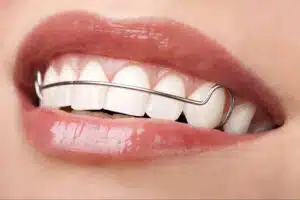
A broken retainer may be cracked, warped, or no longer fit properly. Clear retainers can crack under pressure, while wire retainers may bend or detach. Even small changes in shape can cause uneven pressure on teeth, which may contribute to unwanted movement.
A lost retainer leaves teeth completely unsupported. Without any retention, the risk of shifting increases more quickly, especially in the months following orthodontic treatment.
In both cases, continued use of a damaged retainer or delaying replacement can increase the chance that teeth move enough to require additional correction.
Timeline of Teeth Shifting Without a Retainer
| Time Without Retainer | Likely Changes | Risk Level | Recommended Action |
|---|---|---|---|
| 1–3 days | Usually no visible change | Low | Contact orthodontist for guidance |
| 1–2 weeks | Mild shifting or tightness | Moderate | Schedule replacement promptly |
| 1–3 months | Noticeable movement possible | High | New scan and retainer needed |
| 6+ months | Significant relapse likely | Very High | May require orthodontic retreatment |
This timeline can vary from person to person, but it highlights why prompt action matters.

When and Why You Should Replace a Retainer
Replacing a retainer sooner rather than later protects the stability of your results. When teeth are still close to their ideal positions, a new retainer can usually be made to fit without difficulty.
Delays may allow teeth to shift enough that a simple replacement no longer fits. In those cases, your orthodontist may need to realign teeth slightly before fabricating a new appliance. Acting quickly to replace retainer issues is often the difference between a straightforward fix and a more involved process.
Replacement also ensures comfort. Ill-fitting or damaged retainers can irritate gums, place uneven pressure on teeth, or fail to do their job altogether.
Step-by-Step: What to Do If Your Retainer Is Lost or Broken
If your retainer goes missing or becomes damaged, following a clear plan helps minimize risk.
- Stop wearing damaged retainers
If a retainer is cracked, bent, or uncomfortable, don’t force it. Wearing a damaged appliance can do more harm than good. - Contact your orthodontist promptly
Let the office know what happened and when you last wore the retainer. Timing helps determine the best next step. - Take temporary precautions
Avoid habits that might encourage shifting, such as chewing gum excessively or clenching. Be mindful of pressure on your teeth. - Schedule a replacement appointment
Depending on your situation, your orthodontist may reuse a previous scan or take a new impression. - Follow the wear instructions carefully
Once you receive the new retainer, consistent wear helps re-stabilize alignment and prevent further movement.
How to Prevent Retainer Loss or Damage
Good orthodontic retainer care habits significantly reduce the chance of problems. Simple routines can make a big difference over time.
- Always store your retainer in its case when not in use.
- Avoid wrapping it in napkins, especially in restaurants.
- Keep retainers away from pets, which commonly chew them.
- Clean retainers gently to prevent warping or cracks
- Bring your retainer case when traveling or going to school.
Developing these habits helps protect both the retainer itself and your orthodontic investment.
Meet the Orthodontic Team (Brief, Trust-Focused)
Patients at Holt Orthodontics are supported by an orthodontic team that prioritizes long-term stability, comfort, and clear communication. The practice focuses on helping patients maintain their results well beyond active treatment, with careful guidance around retention and follow-up care.
Doctors including Dr. Mark H. Holt, Dr. Tyler Holt, Dr. Miriam Behpour, and Dr. Greg Pavlos, take a prevention-focused approach that emphasizes education and consistency. Their shared goal is to help patients protect their orthodontic results and feel confident about their smiles for years to come.
Areas We Serve
Holt Orthodontics provides orthodontic care for patients throughout the greater Sacramento area, supporting individuals and families at every stage of treatment and retention. Reliable retainer guidance plays an important role in maintaining results long after braces or aligners are completed.
Patients from Sacramento, Folsom, Rocklin, and Roseville rely on timely support and clear instructions to keep their smiles on track. Whether managing a busy schedule, school routines, or work commitments, having access to consistent orthodontic care helps ensure long-term success across the region.
Frequently Asked Questions
How quickly do teeth shift without a retainer?
Teeth can begin shifting within days or weeks, though noticeable changes vary by individual.
Can I wear a cracked retainer?
No. Cracks or warping can apply uneven pressure and should be evaluated by an orthodontist.
Do I need a new scan to replace my retainer?
Sometimes previous records can be used, but a new scan may be needed if teeth have shifted.
Can a replacement retainer fix shifting teeth?
A retainer can hold current alignment, but significant shifting may require additional orthodontic care.
How long does it take to get a new retainer?
Timing varies, but many replacements are ready within a few weeks.
Is it common to lose retainers?
Yes. Loss and damage are among the most common post-treatment issues.
Should I wear my old retainer if it feels tight?
Tightness can indicate shifting. Contact your orthodontist before continuing use.
Protecting Your Smile After Treatment
Retainers may be small, but they play a major role in maintaining the results of orthodontic treatment. Losing or damaging one doesn’t undo the progress you’ve made, but it does make timing important. Teeth naturally want to shift, and even short gaps without proper retention can allow subtle movement to begin. That’s why the team at Holt Orthodontics encourages patients to act quickly whenever a retainer issue comes up.
Replacing a lost or damaged retainer is usually a straightforward process when addressed promptly. With guidance from Holt Orthodontics, patients can protect their alignment, avoid unnecessary setbacks, and feel confident that their smile remains properly supported. Taking this simple step helps preserve the long-term results of orthodontic care for years to come.
Get Help With a Lost or Broken Retainer
If your retainer is missing or damaged, don’t wait for teeth to shift before taking action. Contact Holt Orthodontics as soon as possible to let the team know what happened and when you last wore your retainer. Early communication makes replacement easier and helps protect your orthodontic results.
Call the office or request an appointment to discuss next steps, retainer replacement options, and whether a new scan is needed. Taking a few minutes now can help you avoid unnecessary movement and keep your smile on track.