

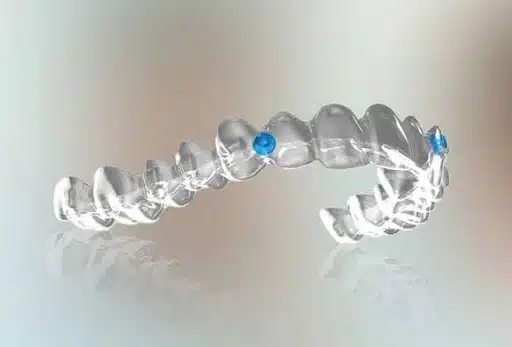
Clear aligner orthodontic treatment has rapidly become one of the most popular ways to straighten teeth. Patients who want a more discreet and comfortable alternative to traditional braces often choose clear aligners because they are removable, nearly invisible, and designed for everyday convenience.
Many people researching orthodontic treatment find themselves comparing Angel Aligner vs Invisalign to determine which option may work faster, feel more comfortable, and offer the best value. Both systems use advanced technology to gradually move teeth into alignment while allowing patients to maintain a natural-looking smile during treatment.
Understanding the similarities and differences between these two aligner systems can help you make a confident and informed decision about your orthodontic care.
What Are Clear Aligners?
Clear aligners are a modern orthodontic treatment designed to straighten teeth without the brackets and wires used in traditional braces. Instead, patients wear a series of custom-made plastic trays that gradually guide teeth into their ideal positions.
Each aligner is created specifically for the patient using digital scans and treatment planning software. The aligners are worn for most of the day and replaced every one to two weeks as the teeth slowly move.
Clear aligner treatment typically includes:
- Custom-made plastic aligner trays
- Gradual and controlled tooth movement
- Digital orthodontic treatment planning
- Removable aligners that allow normal eating and brushing
Because aligners are removable, patients can continue enjoying their favorite foods while maintaining good oral hygiene. This convenience is one of the main reasons clear aligners have become popular among both adults and teenagers.
Another benefit is appearance. The trays are made from transparent plastic, making them far less noticeable than traditional braces during daily activities.
What Is Invisalign?
Invisalign is one of the most recognized clear aligner systems in orthodontics. Since its introduction more than two decades ago, it has helped millions of patients straighten their teeth using removable aligners.
Invisalign uses a proprietary material called SmartTrack, which is designed to provide gentle and controlled tooth movement. Each aligner is carefully engineered based on a digital treatment plan created by an orthodontist.
Key features of Invisalign treatment include:
- Advanced SmartTrack aligner material
- Digital treatment simulations
- Custom aligners created from precise scans
- Gradual tooth movement with a series of trays
The Invisalign treatment duration varies depending on the complexity of a patient’s orthodontic needs. Mild alignment issues may be corrected in as little as 6 to 12 months, while more complex cases can take 18 months or longer.
One of the reasons Invisalign remains widely used is its long history of successful orthodontic outcomes and ongoing technological innovation.
What Is Angel Aligner?

Angel Aligner is another clear aligner system designed to straighten teeth using a series of transparent trays. While it is newer than Invisalign, it has gained attention for its focus on comfort, precision, and digital orthodontic planning.
Like other aligner systems, Angel Aligner treatment begins with a digital scan of the patient’s teeth. Orthodontists then create a customized treatment plan that maps out how the teeth will move over time.
Angel Aligner systems often include:
- Transparent plastic aligner trays
- Digital treatment simulation
- Customized aligner sequencing
- Materials designed for comfort and flexibility
One of the key angel aligner vs invisalign differences often discussed is the design philosophy behind the aligner trays. Angel Aligner systems sometimes use different aligner staging strategies or material formulations intended to optimize comfort and efficiency.
Although both systems aim to achieve the same goal—straight teeth—the specific technology and treatment planning methods may vary depending on the orthodontist and the patient’s needs.
Angel Aligner vs Invisalign Comparison
When patients compare aligner systems, they usually focus on comfort, appearance, cost, and treatment efficiency. A side-by-side Angel Aligner vs. Invisalign comparison can help illustrate how these systems are similar and where they differ.
| Feature | Angel Aligner | Invisalign |
| Appearance | Transparent trays designed to be discreet | Nearly invisible clear aligners |
| Comfort | Flexible materials designed for patient comfort | SmartTrack material designed for smooth tooth movement |
| Treatment Speed | Varies depending on case complexity | Often 12–18 months depending on treatment plan |
| Cost | Comparable to other aligner systems | Typically varies by complexity and location |
| Technology | Digital treatment planning and aligner staging | SmartTrack technology and advanced digital simulation |
In reality, both systems can produce excellent orthodontic results when treatment is supervised by an experienced orthodontist. The best option often depends on the individual patient’s smile goals and orthodontic needs.
Angel Aligner vs Invisalign: Cost Comparison
The cost of clear aligner treatment varies widely depending on several important factors. When patients search for angel aligner vs Invisalign cost, they may notice that pricing ranges can overlap.
Factors that influence orthodontic treatment cost include:
- Complexity of the case
- Length of treatment
- Orthodontist experience and specialization
- Geographic location of the practice
In many areas, clear aligner treatment may range from approximately $3,500 to $7,500, depending on the treatment plan.
When discussing an Invisalign cost comparison, it is important to remember that Invisalign has a long-established pricing structure, while Angel Aligner costs may vary depending on the orthodontic provider and treatment requirements.
Many orthodontic practices offer flexible payment plans and financing options to make treatment more accessible for families.
Which Clear Aligner Works Faster?
Patients often ask which clear aligner works faster when deciding between different orthodontic options. The answer depends less on the brand of aligner and more on the individual treatment plan.
Several factors influence how quickly teeth move during clear aligner treatment:
- The severity of alignment problems
- Patient compliance with wearing aligners
- Accuracy of treatment planning
- Orthodontic supervision and adjustments
Most aligner systems require patients to wear their trays for about 20 to 22 hours per day. If aligners are not worn consistently, treatment may take longer than expected.
For many patients, clear aligner treatment timelines are similar regardless of the brand used, provided that the treatment plan is carefully designed and followed.
Pros and Cons of Angel Aligner and Invisalign

Understanding the angel aligner vs invisalign pros and cons can help patients weigh the benefits of each system before starting treatment.
Angel Aligner Advantages
- Transparent trays designed for discreet orthodontic care
- Digital treatment planning and customization
- Comfortable aligner materials
- Growing adoption in orthodontic practices
Angel Aligner Considerations
- Newer system with less long-term clinical data than Invisalign
- Availability may vary by orthodontic provider.
- Treatment results depend heavily on the orthodontist’s expertise.
Invisalign Advantages
- One of the most widely recognized clear aligner systems
- Extensive clinical research and track record
- Advanced SmartTrack aligner material
- Large global network of trained providers
Invisalign Considerations
- Cost may vary depending on treatment complexity.
- Requires consistent wear for optimal results
- Not ideal for every orthodontic case without attachments or additional planning
Both systems can successfully correct many orthodontic issues including crowding, spacing, and bite alignment problems.
Meet the Orthodontic Team
Orthodontic treatment success depends not only on the aligner system used but also on the expertise of the orthodontist guiding the process. At Holt Orthodontics, patients receive care from an experienced team dedicated to delivering personalized orthodontic treatment.
Dr. Mark H. Holt
Dr. Mark H. Holt earned his DDS from the University of California, San Francisco. He later completed a Master of Science and an orthodontic certificate at the University of Oklahoma. Dr. Holt is passionate about helping patients build confidence through healthier smiles and remains committed to continuing education and advanced orthodontic techniques.
Dr. Tyler Holt
Dr. Tyler Holt is known for his academic excellence and orthodontic research. After completing his orthodontic residency at the University of Oklahoma, he focused on providing highly personalized treatment planning to ensure precise and effective orthodontic results.
Dr. Miriam Behpour
Dr. Miriam Behpour served as a dentist in the United States Navy before specializing in orthodontics. She is a Board Certified Orthodontist who has also completed MBA training. Her approach emphasizes individualized treatment planning and patient-centered care.
Dr. Greg Pavlos
Dr. Greg Pavlos is an orthodontic specialist with a strong research background. He completed his orthodontic residency at the University of the Pacific and focuses on patient comfort, confidence, and efficient orthodontic treatment outcomes.
Orthodontic Care for Northern California Communities
Patients from across Northern California visit Holt Orthodontics for clear aligner treatment and personalized orthodontic care.
Communities served include:
- Folsom
- Sacramento
- Rocklin, CA
- Roseville
- Granite Bay
Many families travel from these communities to explore modern orthodontic options that provide both comfort and reliable results.
FAQs
Is Angel Aligner better than Invisalign?
Both aligner systems are designed to straighten teeth using clear plastic trays. The best option often depends on your orthodontic needs, treatment goals, and your orthodontist’s recommendation. An orthodontic consultation can help determine which system is most appropriate for your case.
How long does Invisalign treatment usually take?
Treatment timelines vary depending on the complexity of tooth alignment issues. Many Invisalign treatments take between 12 and 18 months. Minor corrections may take less time, while complex cases can require longer treatment periods.
Are clear aligners comfortable?
Most patients find clear aligners comfortable because they are made from smooth plastic rather than metal brackets and wires. Some pressure may be felt when switching to a new aligner tray, but this sensation typically fades within a few days.
Which aligner system works faster?
The speed of orthodontic treatment depends largely on the individual case and how consistently aligners are worn. Patients who follow their orthodontist’s instructions closely often experience more efficient results.
Are Angel Aligners more affordable than Invisalign?
Costs can vary depending on the treatment plan and orthodontic provider. In many cases, the price ranges for Angel Aligner and Invisalign are similar. A consultation can provide a more accurate estimate based on your specific needs.
Schedule Your Clear Aligner Consultation
Choosing between Angel Aligner and Invisalign is an important step in your orthodontic journey. A consultation allows an orthodontist to evaluate your smile, discuss treatment goals, and recommend the most appropriate option.
At Holt Orthodontics, patients receive personalized orthodontic care using advanced technology and customized treatment planning. The team works closely with each patient to create a comfortable and effective path toward a healthier smile.
Scheduling a consultation is the first step toward discovering whether Angel Aligner or Invisalign may be the right solution for your orthodontic needs.